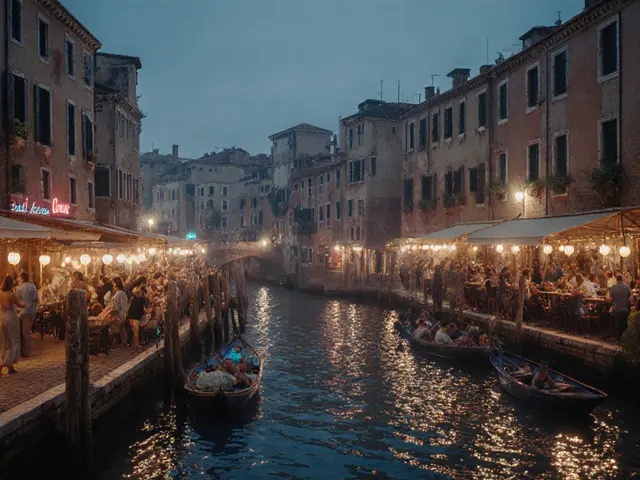
Most people see Milan’s escort scene through the lens of glossy magazines or late-night ads-sleek photos, luxury cars, and whispered promises of exclusivity. But what happens when the door closes and the lights dim? Behind the curated Instagram feeds and high-end agency websites, there are real people living complicated, often hidden lives. This isn’t a story about glamour. It’s about survival, choice, and the quiet reality of work that society refuses to see.
Who Are They, Really?
There’s no single profile of an escort in Milan. Some are students juggling classes and appointments. Others are single parents working nights to afford rent in a city where a one-bedroom apartment costs over €1,800 a month. A few have degrees in art or engineering and use escorting to pay off loans or fund side projects. Their ages range from early 20s to late 40s. Most are Italian, but a significant number come from Eastern Europe, Latin America, and North Africa-often fleeing economic collapse or political instability back home.
One woman, who asked to be called Lucia, worked as a legal assistant before switching to escorting after her husband left and child support stopped. "I didn’t want to work two jobs and still not feed my daughter," she said. "This pays better than being a receptionist for 12 hours a day. And I get to choose when I work. That’s power."
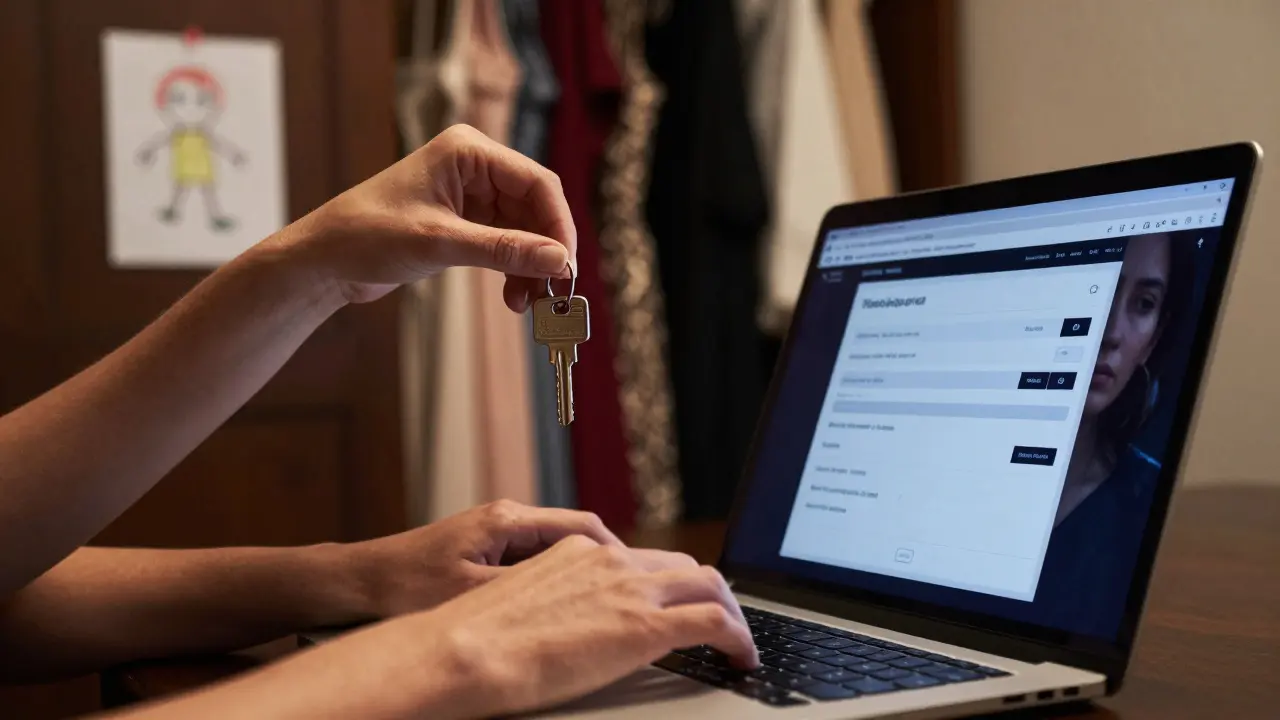
They don’t all work out of agencies. Many operate independently through encrypted apps, private networks, or word-of-mouth referrals. Some use dating apps under aliases. Others have websites with discreet booking systems. The ones who use agencies often pay 30% to 50% of their earnings just to stay listed-and even then, they’re expected to be "available" 24/7 during peak season.
The Unspoken Rules
There’s a code no one talks about but everyone follows. No public displays of affection with clients. No sharing personal details-not even your real first name. Never meet a client in your own apartment. Always have a friend check in every hour. Never say "yes" to something that feels off, even if it means losing money.
Many escorts carry pepper spray. Some keep a hidden panic button linked to a friend’s phone. Others use burner phones for each client and delete the chat after the appointment. One woman in her thirties told me she keeps a small notebook with every client’s license plate, time of arrival, and what they ordered. "I don’t trust memory," she said. "If something goes wrong, I need proof."
There’s also an unspoken hierarchy. Clients who pay in cash, arrive on time, and respect boundaries are remembered. Those who push for extra services, refuse to use protection, or try to control the situation? They’re flagged. Word travels fast in this world.
The Cost of Silence
Being an escort in Milan means living in two worlds. In public, you’re invisible. At family gatherings, you’re the "aunt who works in fashion." At work, you’re a professional who sets boundaries, manages time, and handles emotional labor as skillfully as physical ones.
Many say the hardest part isn’t the work-it’s the loneliness. You can’t talk to coworkers. You can’t date openly. You can’t tell your parents. A 2023 study by the University of Bologna found that 68% of female escorts in northern Italy reported feeling isolated, even when surrounded by clients. "People think we’re out here partying," said Marco, a male escort who’s been working for six years. "I haven’t had a real conversation with a friend in over a year. I’m always on guard."
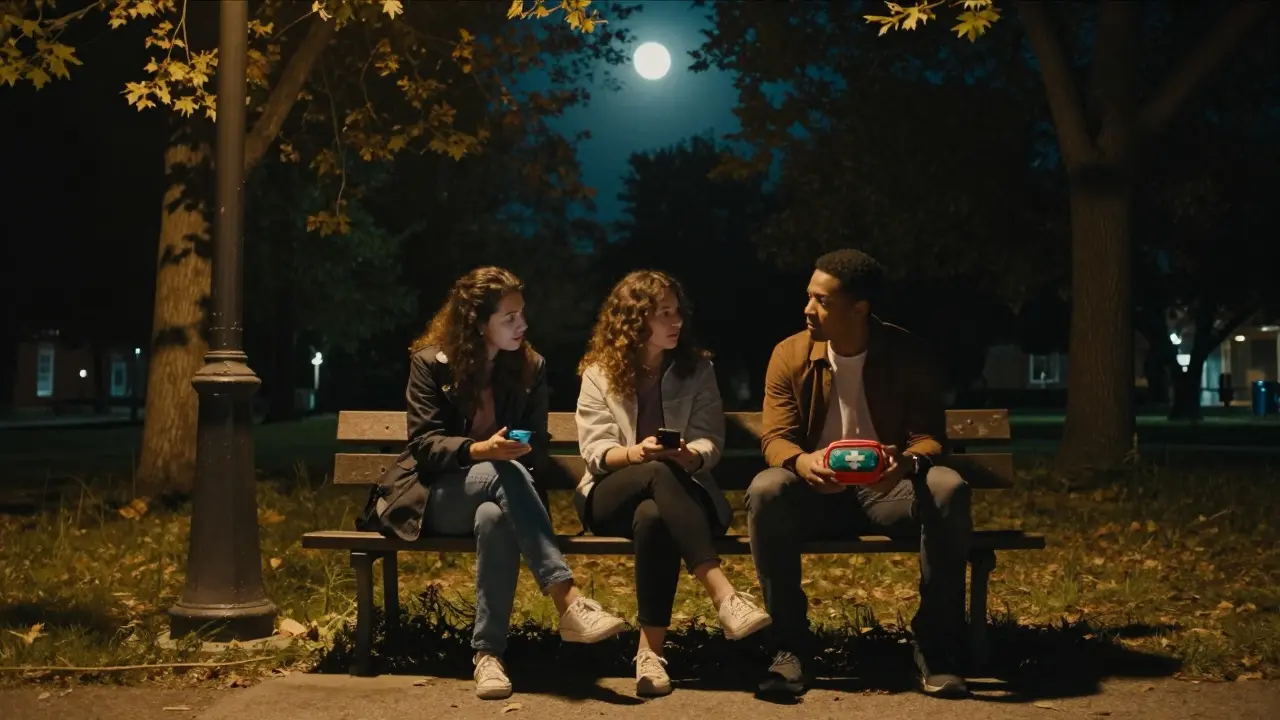
Therapy is rare. Most can’t afford it. Those who do often go under false names. Some join underground support groups-secret meetups in parks or cafes after midnight, where people share stories, warn each other about dangerous clients, and sometimes just cry together without judgment.
Legal Gray Zones
Italy doesn’t criminalize prostitution itself. But it does criminalize everything around it: soliciting in public, running an agency, advertising, or living off someone else’s earnings. That means escorts can’t legally work from home, hire assistants, or promote themselves online without risking arrest. The law doesn’t protect them-it pushes them deeper into the shadows.
Police raids happen. Sometimes they target apartments. Sometimes they shut down entire networks. In 2024, Milan police shut down three major escort networks linked to foreign organized crime rings. But they also arrested independent workers who had no ties to trafficking. "They don’t distinguish between someone forced into it and someone who chose it," said a lawyer who works with sex workers in Lombardy. "The law treats all of us the same."
Some escorts have started pushing for legal recognition. A small group in Milan filed a petition in late 2025 demanding labor rights: access to healthcare, tax filing under real names, and protection from violence. So far, no politician has taken it seriously.
Why They Stay
It’s not about money alone. Sure, some make €150-€400 an hour-more than most office jobs. But money isn’t the only reason they stay. For many, it’s autonomy. They set their own hours. They choose their clients. They control the pace. No boss. No micromanagement. No toxic workplace culture.
"I don’t work for a company," said Sofia, a 32-year-old former marketing executive. "I work for myself. I decide who I see, what I wear, and when I stop. I’ve never had a day where I felt like a cog in a machine. That’s priceless."
Others stay because they’ve built something real: a network of trust, a community of people who get it, and a quiet dignity in doing work that’s stigmatized but necessary. One man, who works exclusively with older clients, said he’s helped men through grief, loneliness, and illness. "I’m not a fantasy," he said. "I’m a presence. Sometimes that’s more valuable than sex."
The Hidden Toll
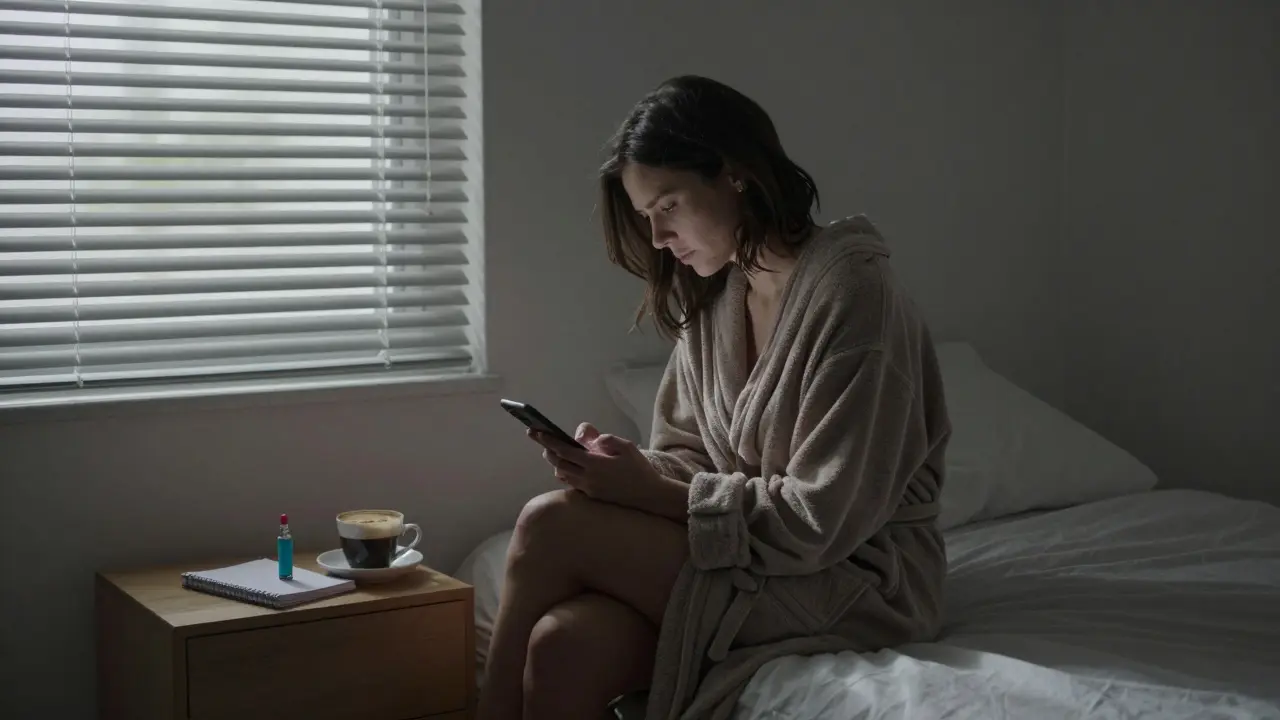
It’s not all control and freedom. The emotional weight is heavy. Many report symptoms of burnout: insomnia, anxiety, emotional numbness. Some develop chronic stress-related conditions. Others struggle with depression, especially when clients treat them like objects or disappear after a few sessions.
One escort, in her late 30s, told me she stopped taking photos of herself after five years. "I don’t recognize the woman in the mirror anymore," she said. "I used to love my body. Now I just see a tool."
Drug use is rare among independent workers-most know it’s too risky-but alcohol is common as a coping mechanism. Some use sleeping pills. Others turn to meditation or yoga. A few have started practicing martial arts-not to defend themselves, but to reclaim their bodies.
What No One Tells You
Most people assume escorting is a short-term job. It’s not. Many do it for years. Some for decades. The ones who leave often do so because they’ve saved enough to start something else-a café, a boutique, a freelance career. Others leave because they’re tired. Or hurt. Or afraid.
There’s no redemption arc here. No dramatic rescue. No fairy-tale ending. Just people doing what they need to survive in a city that doesn’t care if they live or disappear.
If you’ve ever wondered what happens behind closed doors in Milan, the answer isn’t in the photos or the ads. It’s in the silence between clients. In the late-night texts checking in. In the quiet tears after a long shift. In the woman who smiles at her daughter before turning off the light-and doesn’t let herself cry until she’s sure no one’s listening.
Is escorting legal in Milan?
In Italy, exchanging sex for money isn’t illegal, but nearly everything around it is. Advertising, operating an agency, soliciting in public, or living off someone’s earnings can lead to arrest. Milan’s laws don’t protect sex workers-they force them underground. Independent workers avoid detection by using encrypted apps, cash payments, and private networks. But they have no legal recourse if they’re robbed, assaulted, or exploited.
How do escorts in Milan find clients?
Most use private networks-encrypted messaging apps like Signal or Telegram, or discreet websites with password-protected booking systems. Some rely on word-of-mouth referrals from trusted clients or other workers. A few use dating apps under fake profiles. Agencies exist but charge high fees (30-50%) and demand strict availability. Independent workers avoid them whenever possible because they lose control over pricing, scheduling, and safety.
Are most escorts in Milan from other countries?
No, but a large portion are. Around 40% of independent escorts in Milan are Italian. The rest come mostly from Romania, Ukraine, Colombia, Nigeria, and Morocco. Many migrated for economic reasons and found escorting offered more stability than low-wage jobs in hospitality or cleaning. Language skills and cultural adaptability help them build loyal client bases. Italian escorts often focus on high-end clients; foreign workers may serve a broader range.
Do escorts in Milan have access to healthcare?
Yes-but only if they’re legally registered residents. Italy’s public healthcare system is available to anyone with a codice fiscale (tax code), even undocumented workers. But many escorts avoid using it out of fear of being reported or tracked. Some rely on NGOs that offer free STI testing and counseling. A few clinics in Milan now offer anonymous services specifically for sex workers, but awareness is low. Mental health support is almost nonexistent.
Why don’t more escorts leave the industry?
It’s not about laziness or lack of options. Many stay because they’ve built financial security that’s hard to replace. Others stay because they value the autonomy. Some are afraid of stigma if they try to transition into other careers. A few have no safety net-no family, no savings, no backup plan. Leaving means risking homelessness. And without legal protections, finding another job with the same income is nearly impossible. For many, the freedom outweighs the cost.